May 11, 2026

Author

Jacqueline Kroll

Update First Last in Content -> Business Text -> First Last field

Date

May 11, 2026

Share

The smart approach to fat loss, strength, and healthy aging for women in Cedar Park, Leander, and Round Rock

For many women over 40, losing weight starts to feel harder than it used to. The scale may barely move despite eating less, exercising more, or spending hours doing cardio. Even more frustrating, some women notice that when they do lose weight, they also lose strength, energy, and muscle tone.


The truth is that after 40, the goal should not simply be to “lose weight.” The goal should be to lose fat while preserving — and ideally building — lean muscle mass.


At Inspire Fitness, we work with many women in Cedar Park, Leander, Round Rock, and surrounding areas who want to become leaner, stronger, healthier, and more confident without extreme dieting or exhausting workout routines.

Here is what actually works.


Why Muscle Matters More After 40


Beginning around age 30, adults naturally start to lose muscle mass in a process called sarcopenia. Research shows this decline accelerates with age, particularly in women after menopause. Loss of muscle can contribute to:

  • Slower metabolism
  • Increased body fat
  • Reduced strength and mobility
  • Poorer insulin sensitivity
  • Greater risk of injury and osteoporosis


According to the Mayo Clinic and the National Institute on Aging, strength training and adequate protein intake are two of the most effective ways to preserve muscle as we age.

This is why crash diets often backfire. Rapid weight loss frequently leads to muscle loss alongside fat loss, making long-term weight maintenance harder.


Why Many Women Lose Muscle Instead of Fat

Many traditional “weight loss” programs unintentionally encourage muscle loss. Common mistakes include:


  • Eating Too Few Calories

Extremely low-calorie diets can cause the body to break down muscle tissue for energy.

  • Too Much Cardio

Hours of cardio without strength training can increase fatigue while doing little to preserve lean mass.

  • Not Eating Enough Protein

Protein becomes even more important with age because the body becomes less efficient at building and maintaining muscle tissue.

  • Avoiding Strength Training

Many women still worry that lifting weights will make them “bulky.” In reality, strength training is one of the best tools for creating a lean, toned appearance.


The Best Way to Lose Fat Without Losing Muscle


1. Prioritize Strength Training

Strength training should be the foundation of almost every fat-loss plan for women over 40.

Research published by the American College of Sports Medicine consistently shows that resistance training helps preserve lean muscle during weight loss while improving metabolism and functional health.


At Inspire Fitness, we typically recommend:

  • 2–4 strength training sessions per week
  • Progressive overload (gradually increasing resistance)
  • Compound exercises like squats, rows, presses, and deadlifts
  • Proper recovery between sessions


The goal is not bodybuilding. The goal is improving strength, metabolism, bone density, posture, and body composition. Many of our female clients are surprised to discover that lifting weights actually helps them look smaller and leaner than excessive cardio.


2. Eat Enough Protein

Protein is critical for maintaining muscle during fat loss.

The International Society of Sports Nutrition recommends higher protein intake during calorie deficits to preserve lean body mass.


Good protein sources include:

  • Chicken breast
  • Greek yogurt
  • Eggs
  • Fish
  • Cottage cheese
  • Lean beef
  • Protein shakes
  • Tofu and tempeh


For many women over 40, increasing protein intake is one of the fastest ways to improve satiety, recovery, and body composition.


3. Avoid Extreme Dieting

Very aggressive dieting may produce fast short-term weight loss, but it often leads to:

  • Muscle loss
  • Low energy
  • Hormonal disruption
  • Increased cravings
  • Rebound weight gain


Sustainable fat loss is usually slower than social media promises.

A moderate calorie deficit combined with strength training tends to produce better long-term results than severe restriction.


4. Don’t Ignore Recovery and Sleep

Recovery becomes increasingly important after 40.


Poor sleep can negatively affect:

  • Hunger hormones
  • Recovery
  • Stress levels
  • Insulin sensitivity
  • Exercise performance


The Centers for Disease Control and Prevention recommends adults consistently get sufficient sleep for overall health and recovery. Many women unknowingly sabotage fat loss by under-recovering and over-stressing their bodies.


5. Focus on Body Composition — Not Just the Scale

The scale does not tell the full story.

If you are:

  • Losing inches
  • Feeling stronger
  • Improving energy
  • Building muscle tone
  • Sleeping better
  • Improving blood markers

…then you are making meaningful progress, even if scale weight changes slowly.

Muscle is denser than fat. It is very possible to become smaller, leaner, and healthier without dramatic scale changes.


Why Personal Training Can Help Women Over 40

Many women feel overwhelmed by conflicting online advice.

One article says to cut carbs. Another says to fast. Another recommends endless cardio. Another promotes intense workouts seven days per week. A qualified personal trainer helps simplify the process.


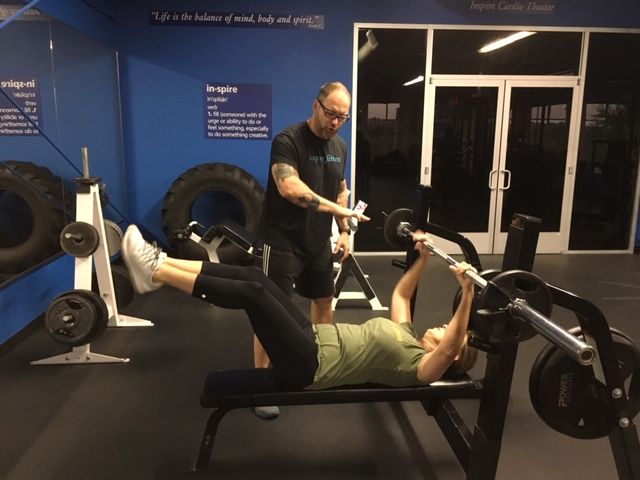
At Inspire Fitness, our certified personal trainers create individualized programs designed around:

  • Age
  • Fitness level
  • Joint limitations
  • Hormonal changes
  • Lifestyle
  • Recovery capacity
  • Sustainable nutrition habits


For busy professionals and parents in Avery Ranch, Crystal Falls, and nearby communities, having structure and accountability often makes the difference between temporary progress and long-term success.


What Women 40+ Should Stop Doing

If your goal is sustainable fat loss and healthy aging, it may be time to stop:

  • Constantly restarting restrictive diets
  • Doing excessive cardio
  • Obsessing over the scale
  • Under-eating protein
  • Skipping recovery days
  • Believing strength training is only for younger people


The most successful women we work with focus on consistency rather than perfection.


The Bottom Line

Women over 40 absolutely can lose fat, build strength, and improve body composition.

The key is shifting away from “eat less and do more cardio” toward a smarter approach that includes:


When done correctly, fat loss should help you feel stronger and healthier — not exhausted and depleted.


If you are looking for personalized coaching and private personal training in Cedar Park or the surrounding areas, Inspire Fitness can help you build a realistic, sustainable plan tailored to your goals and lifestyle.


Contact us today for your free consultation!


Frequently Asked Questions

Can women over 40 still build muscle?

Yes. Women can build muscle well into their 40s, 50s, and beyond with proper strength training, recovery, and nutrition.


How much protein should women over 40 eat?

Protein needs vary based on body size, activity level, and goals, but many active women benefit from higher protein intake than the standard minimum recommendations.


Is cardio bad for fat loss?

Not at all. Cardio can support heart health and calorie expenditure. The problem is relying on cardio alone while neglecting strength training and nutrition.


Will lifting weights make me bulky?

For most women, no. Strength training typically creates a leaner, more toned appearance rather than excessive muscle size.


What is the best exercise for women over 40?

There is no single best exercise, but a well-rounded program usually includes:

  • Strength training
  • Walking or cardio
  • Mobility work
  • Core training
  • Recovery


How long does it take to lose fat without losing muscle?

Healthy, sustainable fat loss is usually gradual. Most experts recommend aiming for steady progress rather than rapid weight loss.

By 7000136648 May 21, 2026
Stay strong while using weight loss injections. Don't lose bone density and increase risk for long term health issues.
local personal training
April 30, 2026
Learn how strength training improves bone density, protects joint health, and supports healthy aging after 40. Discover the benefits of resistance training for stronger bones and better mobility.
April 30, 2026
Working out but not losing weight? Learn the real reasons—and how Inspire Fitness helps Cedar Park, Leander & Round Rock clients see results.

April 21, 2026
Learn how many calories you should eat to lose weight safely and effectively. Simple, science-backed fat loss strategies for adults over 40.
Personal training
April 10, 2026
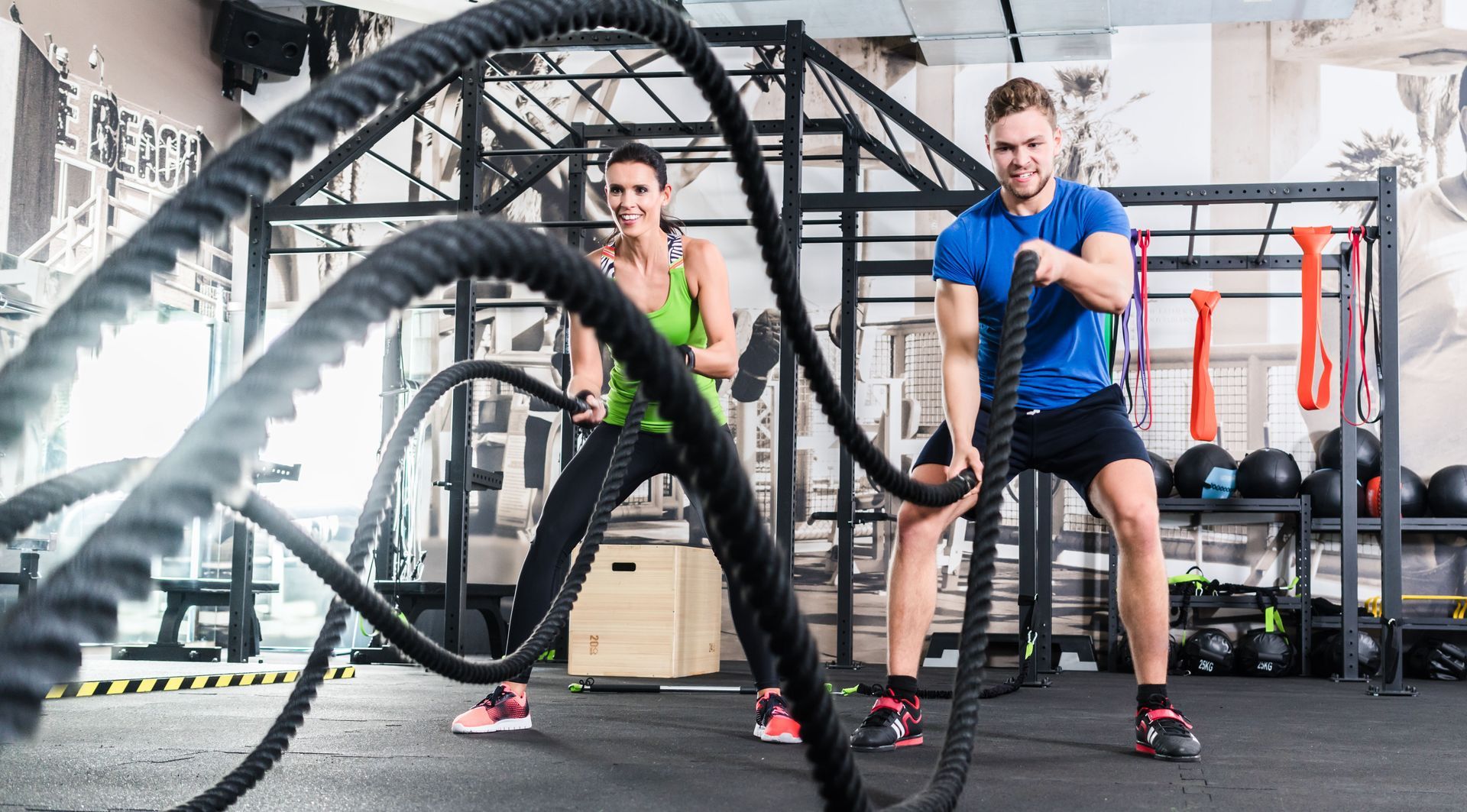
Is personal training more effective than cardio classes like Orangetheory or spin? See why Cedar Park, Leander, and Round Rock clients get better results with Inspire Fitness.
personal trainer
April 3, 2026
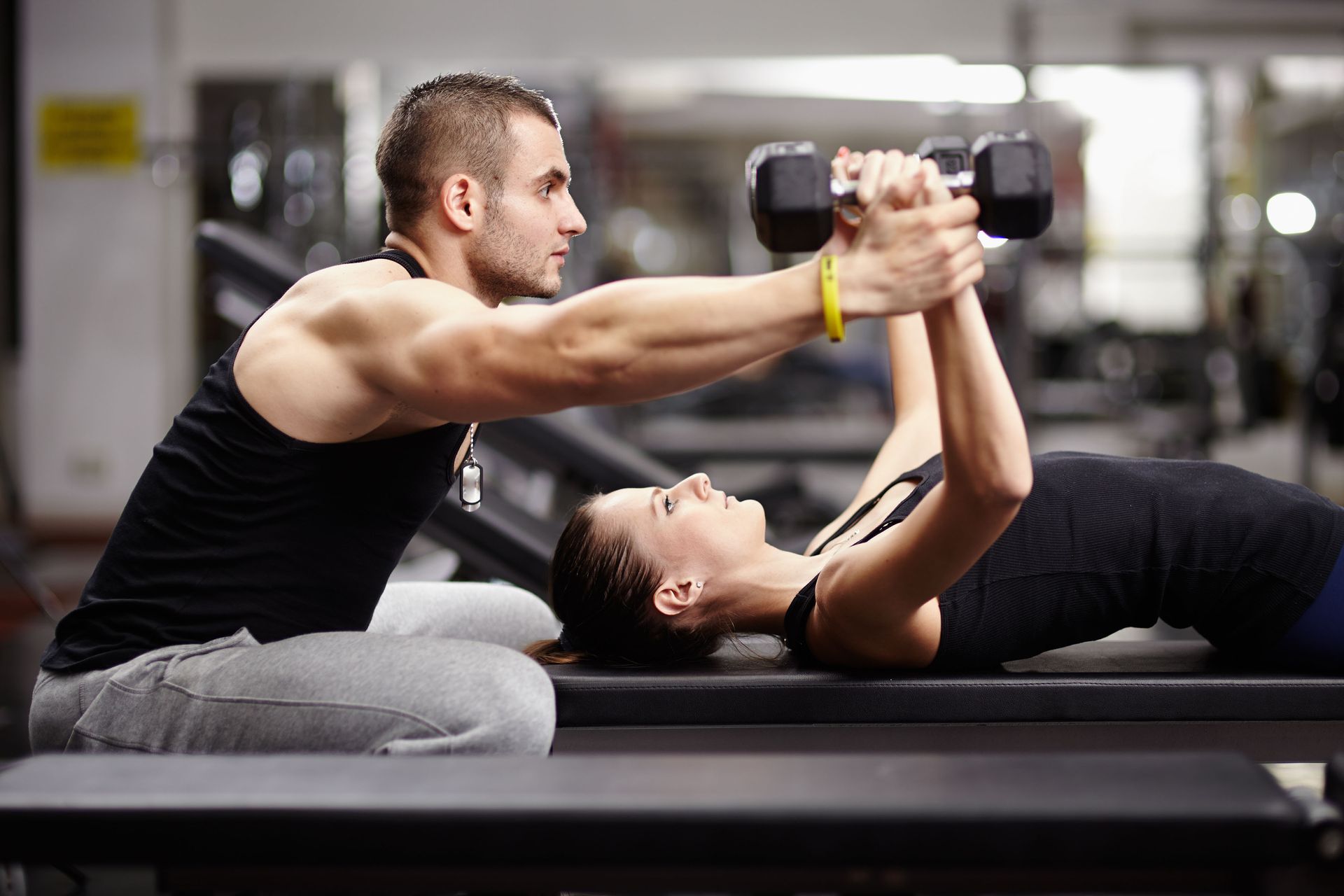
Want to reach your fitness goals faster with a personal trainer? Learn how expert guidance, accountability, and tailored plans accelerate results.
March 27, 2026
Looking for the best personal trainer in Cedar Park? Learn what to look for, compare options, and discover expert coaching at Inspire Fitness.
March 16, 2026
Wondering if the gym is better than working out at home? Discover the key differences in results, motivation, safety, and accountability—plus expert insights from Cedar Park trainers.

fitness coaches
March 5, 2026
Discover four key benefits of hiring personal fitness coaches, from expert workout guidance and customized training plans to improved motivation and diligence.
By Jacqueline Kroll March 4, 2026
When deciding between personal training and group fitness classes, the right choice depends on your goals, experience level, and budget. Both options can be highly effective when applied correctly. According to the American Council on Exercise , both individualized training and group exercise programs can improve strength, endurance, and overall health—when matched appropriately to the individual. Personal Training vs Group Fitness (Quick Comparison) Personal training is best for: customized programs, faster results, injury prevention Group fitness is best for: motivation, lower cost, and community Choose personal training if you want individualized coaching and accountability Choose group classes if you prefer energy and affordability What Is Personal Training? Personal training involves working one-on-one with a certified trainer who designs a program specifically for your goals, fitness level, and any limitations. Key Benefits of Personal Training 1. Fully Customized Programming Every workout is tailored to your body and goals. Research supported by the National Strength and Conditioning Association shows individualized programming leads to more efficient strength and performance gains. 2. Faster, More Efficient Results Because your plan is optimized, you avoid ineffective training and see measurable progress sooner. 3. Accountability and Structure Working with a trainer increases adherence and consistency—two of the most important drivers of results. 4. Proper Form and Injury Prevention A trainer ensures correct technique, reducing injury risk and improving long-term outcomes. What Are Group Fitness Classes? Group fitness classes involve training with others under the guidance of an instructor, typically following a generalized program. Key Benefits of Group Fitness 1. Built-In Motivation The group environment increases adherence. Research published via the National Institutes of Health has shown that social support can significantly improve exercise consistency. 2. Lower Cost Group classes are more affordable, making them accessible for long-term participation. 3. Variety and Enjoyment Different formats (HIIT, strength, cardio) help prevent boredom and burnout. 4. Community and Accountability A group setting creates a sense of accountability for those who enjoy large groups. Cost Comparison in Cedar Park Cost is often a deciding factor: Personal training: ~$70–$90 per session Group fitness classes: ~$25–$65 per class or included in a membership While personal training requires a higher upfront investment, it often reduces wasted time and inefficiency—leading to better long-term value. Who Should Choose Personal Training? Personal training is ideal if you: Have specific goals (fat loss, muscle gain, performance) Are recovering from injury or managing limitations Have plateaued in your progress Want maximum efficiency and accountability Are new to fitness and want a more hands-on trainer Who Should Choose Group Fitness? Group fitness is a better fit if you: Are working within a budget Stay motivated by large groups Enjoy structured but varied workouts Is Personal Training Better Than Group Fitness? Personal training is better for individuals who need customized programming, faster results, and individualized attention. Group fitness is better for those who prioritize affordability and enjoy large group settings. There is no universally “better” option—only what best aligns with your goals and preferences. FAQs Is personal training worth the cost? Yes—especially for those seeking faster results, accountability, and a structured plan. Are group fitness classes effective for weight loss? Yes, when combined with consistency and proper nutrition. Can beginners start with group fitness? Yes, although initial guidance from a trainer can improve safety and effectiveness. How often should I work with a personal trainer? Most individuals benefit from 1–3 sessions per week depending on goals. Final Takeaway Choose personal training for customization, efficiency, and faster progress Choose group fitness for affordability, energy, and community Combine both for optimal long-term results

Show More
